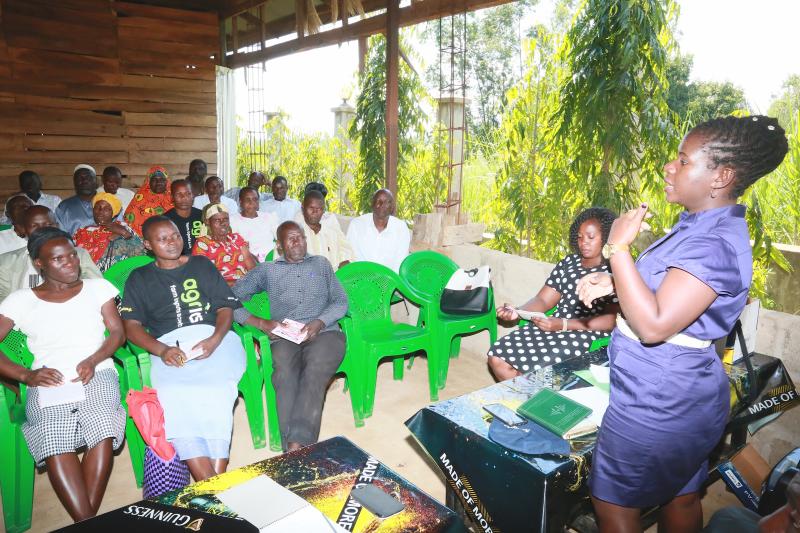
Traditionally in Kenya, much of plumbing work was informal — learned on the job rather than through formal training, with plumbers often classified as general handymen rather than skilled tradespeople. Early plumbing primarily supported basic water supply and sanitation needs in urban centers like Nairobi and Mombasa, as housing and commercial construction expanded.
Growth with Urbanization
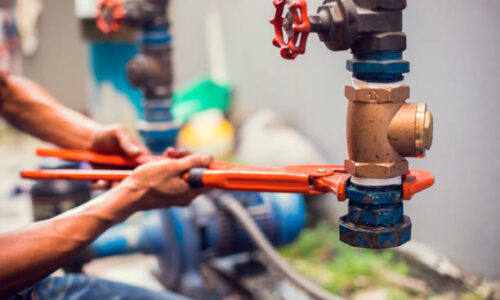
As cities grew, so did demand for modern plumbing systems in residential, commercial, and industrial buildings— from water supply and drainage systems to sanitation networks. The surge in construction activity (including housing, offices, schools and infrastructure) directly created more plumbing work, elevating the trade from informal roots toward professional services.
Gradual Professionalization
In recent years, efforts from both the government and industry bodies have begun formalizing plumbing as a skilled profession — pushing accreditation, certification, and structured training. The number of accredited plumbers in Kenya increased significantly over a few years — showing real progress in building a workforce aligned with industry standards.
Rising Demand
Kenya’s expanding construction sector, projected to grow substantially through 2029 , underpins continued high demand for plumbing services in residential, commercial, and infrastructure projects. Homeowners and businesses increasingly demand services like installation of modern fixtures, water-saving technologies, and efficient drainage systems.
Skill Gaps & Training Initiatives
Despite demand, skilled labour shortages remain a challenge — with relatively few fully trained plumbers compared to market needs. To bridge this gap, Kenya is actively implementing dual vocational apprenticeship programs (blending classroom learning with on-the-job training). Recognition of Prior Learning (RPL) policies help experienced but uncertified workers gain formal credentials, improving job opportunities and standards
Digital solutions like the “Plamba Sawa app” are emerging, connecting plumbers to customers through technology, improving service quality and trust.
The plumbing industry is increasingly adopting global innovations:
Smart plumbing systems — IoT sensors for leak detection, real-time water monitoring, and automated controls — are becoming more relevant, particularly in urban areas where water efficiency is critical. Eco-friendly solutions** — rainwater harvesting, greywater recycling, low-flow fixtures, and solar water heating — are rising in importance due to water scarcity and sustainability concerns.
Demand for modern, durable plumbing materials (e.g., PEX piping, corrosion-resistant fittings) is increasing as clients look for long-lasting and efficient systems.
The fixtures and fittings market in Kenya is expected to grow strongly through 2027 as construction and renovation activity rises.
Career Development & Professional Recognition
Structured training pathways, career progression, and certification standards will help elevate plumbing from informal work to a respected craft and profession.
Young people now have clearer entry points into plumbing careers; including vocational courses with good prospects — making it a viable choice with steady demand.
As Kenya experiences urban expansion and rolls out major infrastructure projects, demand for modern water and sanitation systems grows, requiring more specialized plumbing expertise.
The plumbing industry in Kenya is transitioning from informal, reactive service toward a more professionalized, technology-enabled, and sustainability-focused sector.
Join Embu College School of Engineering for a Plumbing Course under the National Industrial Training Authority (NITA) today and be part of this remarkable journey to an industry whose potential is immense.